
Operating a nursing home in 2026 is a balancing act of the highest order. It requires the clinical precision of a hospital, the hospitality of a boutique hotel, and, most importantly, the warmth of a family home. As the global population ages and the “Silver Economy” expands, the demand for long-term care facilities is rising. However, the standard for what constitutes a “successful” facility has shifted. Families are no longer looking for mere containment or basic medical supervision. They are seeking environments that prioritize dignity, autonomy, and high-tech health integration.
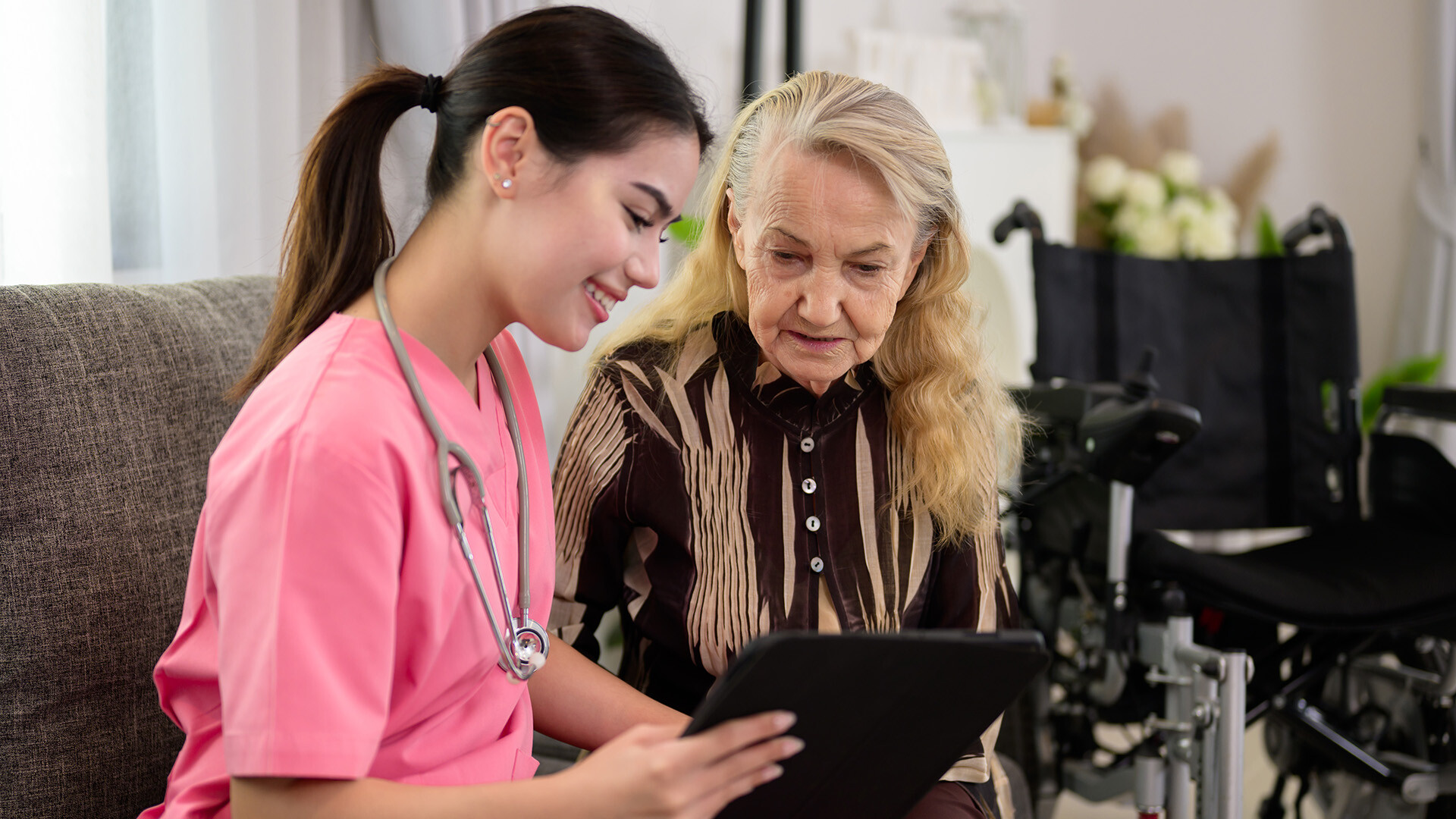
Success in this industry is measure by the quality of life of the residents. And the peace of mind of their families. To achieve this, an administrator must master several key pillars, ranging from specialized staffing to the implementation of geriatric technology. This article explores the essential strategies for running a nursing home that thrives both as a business and as a sanctuary for the elderly.
Cultivating a Person-Centered Care Culture
The most successful nursing homes have moved away from the “institutional” model of the past. In an institutional model, the schedule of the staff dictates the life of the resident. In a “Person-Centered” model, the needs and preferences of the resident dictate the operations.
Creating this culture starts with the admission process. A successful facility doesn’t just record medical history; it records life history. What are the resident’s lifelong hobbies? What is their preferred waking time? What kind of music makes them feel at peace? When the staff views a resident as a person with a rich history rather than a patient with a diagnosis, the level of care naturally elevates. This culture must be modeled from the top down, ensuring that every employee. From the head physician to the janitorial staff—understands that their primary goal is to protect the dignity of those in their care.
The Staffing Engine: Retention and Empathy
A nursing home is only as good as the people working the night shift. Staffing is the most significant challenge in the long-term care industry. And success hinges on your ability to recruit and retain compassionate professionals.
Burnout is the enemy of quality care. To run a successful home, you must invest in your staff’s well-being. This involves more than just competitive wages; it requires providing “Emotional Support Systems” and continuous professional development. In 2026, the best facilities offer specialized training in dementia care, palliative communication, and geriatric nutrition. When staff members feel like experts in their field and feel supported by their management, they are more likely to stay. High staff retention leads to “Continuity of Care,” which is vital for elderly residents who find comfort in familiar faces and consistent routines.
Integrating Smart Geriatric Technology
Technology in a nursing home should never replace human touch, but it should enhance it. Modern facilities are utilizing “Ambient Sensing Technology” to improve safety without being intrusive.
For instance, smart flooring and AI-driven cameras can detect a fall the moment it happens and alert the nursing station immediately, often before the resident even realizes they are injured. Wearable devices can monitor vitals and sleep patterns, allowing for “Predictive Intervention”—spotting the signs of a respiratory infection or a cardiac event days before physical symptoms manifest. Furthermore, digital communication portals are essential for success. Providing families with a real-time app where they can see photos of their loved ones participating in activities or view their daily health logs builds an invaluable bridge of trust.
Nutrition and the Dining Experience
One of the most frequent complaints in long-term care relates to the quality of food. Nutrition is a medical requirement, but dining is a social necessity. A successful nursing home treats the dining room as a social hub.
Move away from standardized, bland cafeteria trays. Instead, focus on “Nutritional Gastronomy”—meals that are tailored to the dietary restrictions of the elderly (such as low sodium or soft textures) but are prepared with the flavor and presentation of a quality restaurant. Incorporating fresh, local ingredients and offering a variety of choices empowers residents to exercise their autonomy. Additionally, communal dining should be encouraged to combat the epidemic of loneliness that often plagues the elderly, turning mealtime into a vibrant social event rather than a solitary chore.
Environmental Design: Safety Meets Serenity
The physical environment of the nursing home plays a massive role in the mental health of the residents. A successful facility is designed to be “Navigate-able.” This means using high-contrast colors to help those with failing eyesight find their way, and ensuring that the layout is circular or intuitive to prevent those with cognitive impairments from feeling lost or anxious.
Access to nature is another non-negotiable factor. “Healing Gardens”—secure outdoor spaces with walking paths, benches, and non-toxic plants—provide residents with fresh air, vitamin D, and a sense of freedom. Indoors, the focus should be on “Domestic Aesthetics.” Use warm lighting, soft fabrics, and personal mementos to erase the sterile feel of a hospital. When a facility feels like a home, the residents feel like they are living, not just waiting.
Financial Sustainability and Compliance
From a business perspective, a nursing home must be a well-oiled machine. This requires rigorous adherence to local health regulations and a transparent financial model. In 2026, regulatory compliance is more stringent than ever, particularly regarding infection control and data privacy.
A successful administrator maintains a “Quality Assurance and Performance Improvement” (QAPI) program. This involves regular internal audits to identify potential risks before they become legal or medical liabilities. By maintaining high standards of cleanliness and clinical excellence, you not only ensure the safety of your residents but also protect the reputation and financial viability of the business.
Conclusion
Running a successful nursing home is perhaps one of the most challenging yet rewarding roles in the modern economy. It requires a unique combination of clinical expertise, logistical savvy, and deep, unwavering empathy. By focusing on person-centered care, supporting your staff, embracing non-intrusive technology, and creating a vibrant, home-like environment, you create more than just a business; you create a community.
In the end, the ultimate metric of success for a nursing home is the smile on a resident’s face and the sigh of relief from a family member who knows their loved one is safe. When you prioritize the human spirit alongside medical excellence, you build a facility that stands as a model for the future of aged care—a place where the final chapters of life are written with respect, comfort, and joy.